Chinese, explained
Learn Chinese Basics for Daily Conversations Easily
Learning a new language can seem hard at first. However, to learn Chinese basics, starting with fundamental Mandarin is simpler than it looks. You only need good tools and easy phrases to begin. If you want to learn for trips or daily conversations, knowing Mandarin can bring great opportunities your way.
Daily conversation starts with the right phrases — and the very first one is ni hao in Chinese (你好, nǐ hǎo), meaning "hello." Our guide to common Mandarin phrases lists 25+ essential expressions — from greetings to ordering food and asking directions — with pinyin for every one.
Starting from scratch? Our full guide on how to learn Chinese covers every stage — tones, vocabulary, characters, and speaking practice — before you move on to daily conversation.
Need the vocabulary first? Our essential Mandarin words list gives you the greetings, polite phrases, numbers, and everyday terms that daily conversations are built from.
For a visual starting point, try our Mandarin language color words guide — 13 colors with characters, pinyin and cultural meanings you can practise anywhere.
One of the first words worth learning is 語言 (yǔyán) — the word for language in Chinese. Knowing it helps you talk about languages themselves, from asking what someone speaks to describing what you are studying.
After hello, the next sentence most conversations need is a self-introduction: 我是 (wǒ shì) means "I am." Learn wo shi meaning — tones, grammar, and the key mistake every beginner makes.
Key Takeaways
Begin learning Mandarin with easy words like 'Nǐ hǎo' (Hello) and 'Xièxiè' (Thank you). These will help you feel confident speaking.
- Try apps like HelloChinese and Duolingo. They make learning Mandarin fun and easy to do anywhere.
- Talk with native speakers to get better at speaking. This also helps you learn about their culture and improves your learning.
Why Learn Basic Mandarin?
Feel Confident with Easy Phrases
Learning simple Mandarin phrases helps you feel sure when talking. For example, saying "Nǐ hǎo" (Hello) or "Xièxiè" (Thank you) can make a big difference. These small efforts help you start conversations and connect with others. Learning Mandarin also makes your brain stronger. Studies show learning a language improves thinking and creativity. Even knowing a little Mandarin can help your career. Jobs in fields like tech or finance often pay more if you speak Mandarin.
Make Travel and Culture Fun
Traveling to China or other Mandarin-speaking places is easier with basics. You can order food, ask for help, or shop without confusion. Learning Mandarin also helps you enjoy the culture more. You’ll understand traditions like giving gifts or enjoy Chinese movies and shows. Events like the Lantern Festival feel special when you talk to locals. These moments make your trips more fun and unforgettable.
Start Strong for Future Learning
Learning basic Mandarin gives you a good start for more. You’ll begin with greetings, numbers, and simple sentences. A good first exercise is to learn how to count to ten in Chinese — all ten numbers are single syllables and easy to remember. Our Mandarin 1-10 guide pairs each number with its character, pinyin, tone and one-hand signal. Mandarin uses tones and word order, so learning these early is key. You’ll also practice Pinyin to say words correctly. Later, you can use this base to make harder sentences and ask detailed questions. It’s like planting a small seed that grows into a big tree.
Key Phrases for Daily Conversations
Greetings and Introductions
Basic mandarin greetings are a great way to start conversations. They show respect and friendliness, which are important in Chinese culture. You can say "你好 (nǐ hǎo)" to greet someone casually or "您好 (nín hǎo)" for a more formal tone. Want to wish someone a good morning? Try "早上好 (zǎoshang hǎo)." When it is time to part, there are 10+ ways to say have a nice day in Chinese — most are nothing like the English phrase. When meeting someone new, say "很高興認識你 (hěn gāoxìng rènshì nǐ)" to express, "Nice to meet you."
A common exchange might go like this:
A: 你好嗎? (nǐ hǎo ma? How are you?)
B: 我很好,你呢? (wǒ hěn hǎo, nǐ ne? I’m fine, and you?)
Shopping and Bargaining
Shopping in Mandarin-speaking areas can be fun if you know the right phrases. Start with "你好 (nǐ hǎo)" to greet the seller. If you want to ask the price, say "多少錢? (duōshǎo qián?)" or "How much?" Think the price is too high? Politely say, "太貴了 (tài guìle)" and ask for a discount with "便宜一點 (piányi yīdiǎn)." These phrases make bargaining easier and more enjoyable.
Dining and Ordering Food
Ordering in Chinese restaurants becomes simple with a few essential expressions. Greet the staff with "你好 (nǐ hǎo)" and ask for a seat by saying "請坐 (qǐng zuò)." When you’re ready to order, use "我想要一份… (wǒ xiǎng yào yī fèn…)" to say, "I’d like to have a serving of…" Don’t forget to compliment the food with "好吃 (hǎo chī)" or "太好吃了 (tài hǎo chīle)." When you’re done, ask for the check with "買單 (mǎi dān)."
Asking for Help and Directions
Getting lost? Knowing how to ask for directions is a lifesaver. Use "請問地鐵站在哪? (qǐngwèn dìtiě zhàn zài nǎ?)" to ask, "Excuse me, where is the subway?" If you need to find the restroom, say "洗手間在哪? (xǐshǒujiān zài nǎ?)" or "Where is the bathroom?" These useful words and phrases will help you navigate common scenarios with ease.
Expressing Gratitude and Politeness
Politeness goes a long way in any culture. In Mandarin, "謝謝 (xièxie)" is the most common way to say thank you in Chinese. For a formal tone, use "謝謝您 (xièxie nín)." If someone helps you significantly, express deeper gratitude with "感謝你為我做的一切 (gǎnxiè nǐ wèi wǒ zuò de yíqiè)," meaning "Thank you for everything." These basic Chinese words will leave a positive impression. For a full breakdown of xie xie in Chinese — pinyin tones, common mistakes, and what to say back — see our complete guide.
Tips for Learning and Practicing
Use Flashcards and Repetition
Flashcards help you remember Mandarin words and characters. Apps like Traverse make this easier with spaced repetition. This method reminds you of words at the right time. You can make flashcards for hard phrases or characters. The app plans reviews for you, making learning fun. Saying words out loud helps you learn Mandarin tones. Tones are important for speaking correctly.
Practice with Language Learning Apps
Language apps are great for learning anywhere. Duolingo is good for beginners with short, game-like lessons. HelloChinese is another app that helps with pronunciation and grammar. For personal help, practice with a native speaker you know. These apps make learning Mandarin simple and enjoyable.
Engage with Native Speakers
Talking to native speakers improves your skills quickly. You’ll learn how Mandarin is used in daily life. It also teaches you informal phrases and cultural tips. Use language exchange platforms to chat with native speakers. Shadow audio clips to match their speaking style. These methods build confidence and fluency.
Incorporate Phrases into Daily Life
Use Mandarin phrases in your everyday activities. Greet friends with "你好" (nǐ hǎo) or practice asking for directions, like "洗手間在哪?" (xǐshǒujiān zài nǎ?). Watch Chinese shows or listen to Mandarin podcasts to improve. The more you use Mandarin, the faster you’ll learn.
Stay Consistent with Small Goals
Set small goals to stay motivated. For example, try to understand street conversations or watch a show without subtitles. Focus on one thing at a time, like tones or characters. Celebrate small wins, like learning a new phrase. These steps make learning Mandarin easier and less stressful.
Resources to Begin Learning
Apps like HelloChinese, Pleco, and Duolingo
Apps are a great way to start learning Mandarin. They make lessons fun and easy to fit into your day. Here’s why these apps are helpful:
HelloChinese and Duolingo have game-like lessons to keep you interested.
Short lessons make learning simple and not overwhelming.
Speech tools help you practice saying words correctly.
Pleco has a big dictionary and handwriting tools for learning characters.
These apps are easy to use and good for all ages. Whether you’re learning tones or phrases, they can help.
Story-Based Courses for Children like Coachers.org
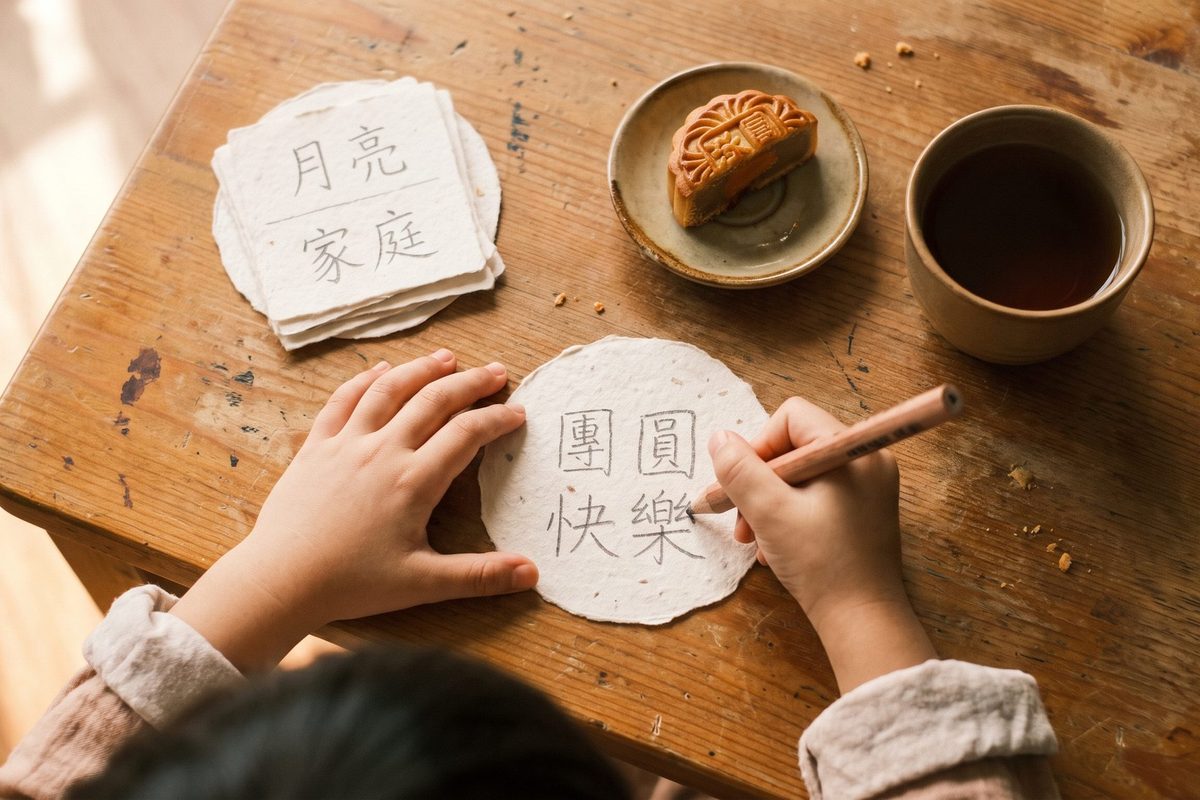
If you are helping a child learn, try story-based courses. Coachers.org teaches Chinese through Taiwan stories to children aged 5 to 12. Its online courses use videos, worksheets and word cards. Each unit moves from a story to the Chinese words, then to culture, and ends with something the child makes for family. Adults can use the same idea and learn basics through stories they care about.
Beginner-Friendly Books and Phrasebooks
Books are useful for beginners learning Mandarin. Mandarin Companion’s books use simple characters, so they’re easy to read. Phrasebooks are also helpful. They include common phrases like “Good morning” (早上好) and “Where is the restroom?” (洗手間在哪?). These tools let you learn at your own speed and build confidence.
YouTube Channels and Podcasts for Listening Practice
Listening to native speakers helps you improve quickly. YouTube channels like Mandarin With Miss Lin and GoEast Mandarin teach useful phrases and slang. Podcasts like Chineseclass101 give listening exercises for all levels. Watching videos or listening to podcasts helps you hear different accents and tones. It’s a fun way to learn the language and understand the culture better.
Starting to learn Mandarin can be fun and rewarding. Begin with simple phrases and practice often. The right resources make learning Chinese easier.
FAQ
How long does it take to learn basic Mandarin?
It depends on your practice. With consistent effort, you can learn basic phrases in 2-3 months. Apps and a good teacher speed up the process.
Do I need to learn Chinese characters to start speaking?
No, you don’t. Focus on Pinyin and tones first. Characters come later when you feel comfortable with speaking and listening.
Can I learn Mandarin without visiting China?
Absolutely! Use apps, online courses, and language exchange platforms. You can practice with native speakers and immerse yourself in the language from home.