Chinese, explained
How to Learn Chinese as a Complete Beginner: Step-by-Step Guide
How to learn Chinese when you are starting from zero? This guide walks you through every stage — from mastering pinyin and tones to building vocabulary, practising speaking with native speakers, and reading your first characters. Follow the step-by-step plan below.
Starting from zero? A good textbook gives you structure from day one. See our Chinese books for beginners guide before you choose your first textbook — then follow the step-by-step plan below.
For your first vocabulary session, choose five Chinese basic words, practise their pinyin and tones, and build one short sentence before adding more words.
Your first full sentence will likely be 我是 (wǒ shì) — "I am." Our guide to wo shi meaning breaks down the tones, grammar, and the key rule that trips every beginner.
Key Takeaways
- Begin with pinyin and tones to help your speaking. This base lets you talk clearly and hear Chinese better.
- Learn simple words and phrases to grow your vocabulary. Try digital flashcards to make learning easy and fun.
Use Mandarin every day. Listen to podcasts, watch shows, and talk with native speakers to get better.
How to Learn Chinese: First Steps
Learning Chinese as a Beginner
Starting your journey with Chinese can feel exciting and a little overwhelming. You might wonder how to learn Chinese when the language looks and sounds so different from English. The good news is, you do not need any special background to begin. Many people start with the basics and build up step by step.
If you want structured guidance for beginners, focus on simple goals first. Learn how to greet people, introduce yourself, and ask basic questions. These small wins will boost your confidence. You will see progress quickly, which keeps you motivated.
Master Pinyin and Tones
When you learn Chinese, you need to take pronunciation seriously. Pinyin is the system that shows you how to say Chinese words using the Roman alphabet. Tones are just as important. Each word in Mandarin can have a different meaning depending on the tone you use. If you take pronunciation seriously from the start, you will avoid confusion later.
Here are some reasons why you should start with pinyin and tones:
You will improve your pronunciation accuracy. Pinyin and tones help you speak Mandarin the right way.
You will get better at listening. Good pronunciation helps you understand spoken Chinese.
You will communicate more clearly. People will understand you, and you will avoid misunderstandings.
You might ask, how to learn Chinese pronunciation as an English speaker? Try these tips:
Listen to native speakers. Pay attention to how they use tones and pitches.
Repeat what you hear. Shadowing helps you match their sounds.
Record yourself. Play it back and check for mistakes.
Use mnemonics. These memory tricks help you remember tones.
You can also follow a simple routine each day:
Warm up by reading pinyin tongue twisters.
Drill problem sounds, like j/q/x and zh/ch/sh.
Type a short diary entry in pinyin.
Record yourself and compare with native audio.
Tip: Online pronunciation tools give you instant feedback. You can practice at your own pace and repeat tricky sounds as many times as you need. These tools often show you visual feedback, which helps you see where you need to improve. Practicing online also feels less stressful, so you can experiment and learn without pressure.
Here is a table to help you plan your first weeks:
Phase | Description |
|---|---|
Foundation (Weeks 1-2) | Master initials and finals, practice four tones, use pinyin charts daily. |
Integration (Weeks 3-4) | Combine initials, finals, and tones; learn tone rules; type simple sentences. |
Pinyin fluency (Weeks 5-8) | Read pinyin texts, shadow native speakers, type 20+ characters per minute. |
Build Basic Vocabulary
Once you feel comfortable with pinyin and tones, start learning basic words and phrases. This is a key part of how to learn Chinese. As a beginner, you should aim for a few hundred words in your first month. Start with a core set of words and expand as you get more comfortable.
Here are some of the top words to learn first:
Hello/Good day 你好 (Nǐhǎo)
Hello (on the phone) 喂 (Wèi)
How are you? 你好嗎? (Nǐ hǎo ma?) Ask it when you really want to know; it is not a routine hello
I'm good 很好 (Hěn hǎo)
Not so good 不太好 (Bú tài hǎo)
Morning! 早! (Zǎo!)
Good night 晚安 (Wǎn’ān)
Goodbye 再見 (Zàijiàn)
You can use digital flashcard apps to help you remember these words. These apps make learning fun and effective. They use spaced repetition, which means you review words just before you forget them. This helps you remember better. Many apps also let you hear the correct pronunciation and see example sentences.
Feature | Description |
|---|---|
Extensive vocabulary coverage | Learn many words to express yourself and have real conversations. |
Pronunciation and tone practice | Hear words spoken out loud to master pronunciation and tones. |
Spaced Repetition System (SRS) | Review words at the best times to keep them in your memory longer. |
Example sentences and context | See how words are used in real life, so you know when and how to use them. |
Customization and personalization | Make your own flashcards to focus on words you need most. |
Tip: Use games, flashcards, and online tools to make learning Chinese vocabulary fun. Try to use new words in sentences or short conversations. This will help you remember them better.
If you want to immerse yourself in Mandarin Chinese, try listening to simple songs, watching short videos, or joining online groups. The more you hear and use the language, the faster you will improve.
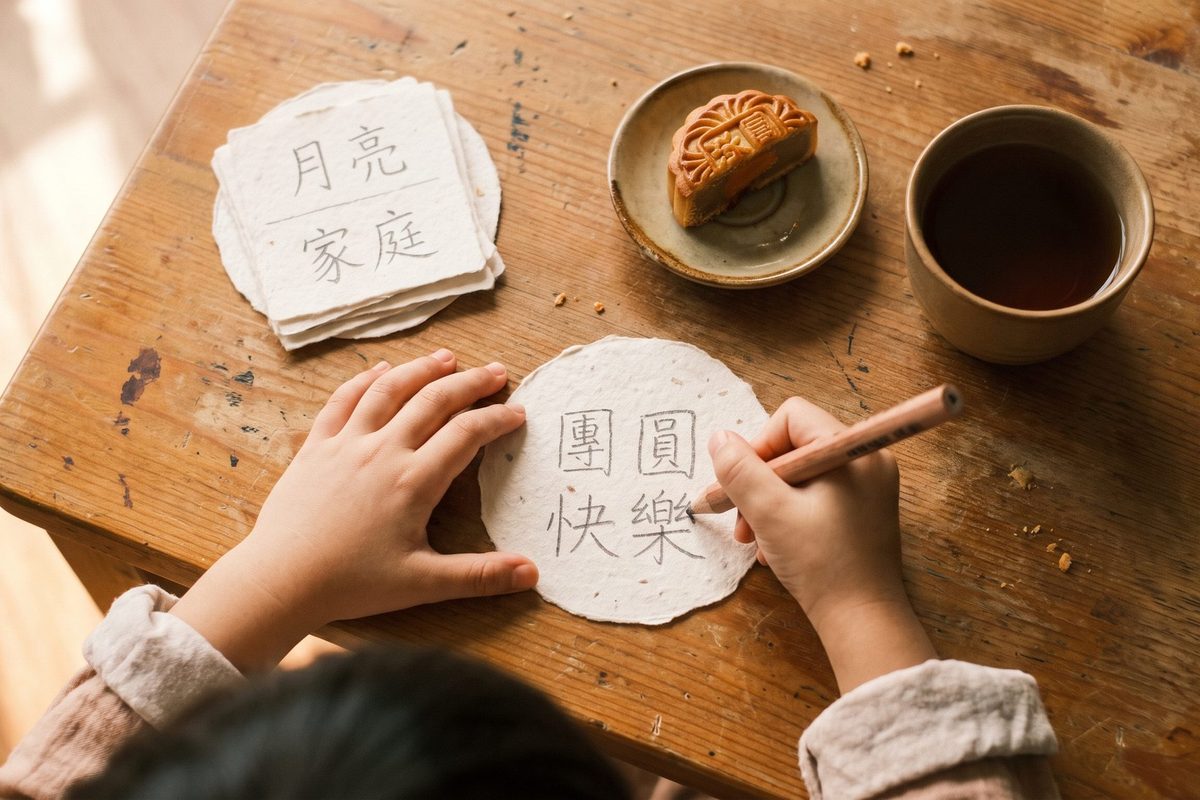
Learn a few words at a time and tie them to real life, like food, family and home. Say each new word out loud and use it in a short sentence. If you are helping a child learn, Coachers.org teaches Chinese to children aged 5 to 12 through Taiwan stories, with theme-based videos, worksheets and vocabulary cards. Build your skills step by step.
Best Way to Learn Mandarin: Essential Skills and Immersion
Immerse Yourself in Mandarin Chinese
If you want the best way to learn mandarin, you should be around the language every day. Immersion helps you learn mandarin naturally, like how kids learn. You do not need to move to China to do this. You can make a mandarin space at home.
Try these ideas:
Listen to mandarin podcasts while you cook or walk.
Watch Chinese shows or movies. Use subtitles and the Language Reactor plugin to help you understand.
Read Chinese graded readers or short stories. Swap English books for mandarin ones.
Join online groups or local meet-ups with Chinese speakers.
Use language exchange apps like Tandem or HelloTalk to find a conversation partner.
You do not need to know all grammar rules first. Focus on using the language in real life. Listen as much as you can. Use real materials. This helps you get better at speaking and understanding mandarin. You will learn new words and phrases by seeing them used.
Tip: Passive listening helps too. Play mandarin podcasts in the background while you do chores. Your brain will get used to the sounds and rhythms of the language.
Practice Listening and Speaking
Listening and speaking are very important if you want to learn mandarin chinese. Start practicing right away. Do not wait until you know every rule. Use beginner podcasts like ChinesePod, Learn Chinese with ChineseClass101, and Mandarin Corner. Once you have the basics, the Mandarin Monkey Podcast lets you hear natural speech from a couple living in Taiwan.
Break your listening into short sessions. Spend at least two hours each day listening. Split it into 20-minute blocks to keep your mind fresh. Add another two hours for vocabulary, reading, and grammar. Mix activities so you do not get bored.
Speaking practice matters too. Find a partner or join a language exchange. Use reminders to practice, like speaking for ten minutes before bed. Think about the benefits—clearer pronunciation and more confidence. Copy native speakers. Give yourself a reward for practicing.
Language exchange programs give you real-life practice. You talk with native speakers, learn slang, and understand culture. You can make friends and grow your skills. These exchanges help you learn mandarin chinese in a fun way.
Evidence Type | Description |
|---|---|
Real-life practice | Practice with native speakers improves speaking proficiency. |
Cultural immersion | Learn about customs and traditions for better retention. |
Colloquial language | Pick up slang and everyday expressions for practical communication. |
Tip: Regular speaking practice helps your pronunciation and fluency. Celebrate small wins to stay motivated.
Learn Mandarin Chinese Characters
Learning chinese characters is a big step. Many beginners think writing characters is hard because it is new. Start learning characters early. Do not use only pinyin. Begin with simple characters and add more as you go. Practice saying the word as you write it. This helps you remember both the sound and the meaning.
Visual learning makes memorizing chinese characters easier. Use spaced repetition flashcards. These tools show you characters at the right time, so you remember them longer. Try drawing characters and linking them to pictures in your mind. Your brain remembers images and shapes well.
Here are some tips for learning chinese characters:
Use flashcards with pictures and stroke order.
Write each character by hand several times.
Group characters by theme or meaning.
Read simple texts with pinyin and characters side by side.
Start reading as soon as you can. Even if you only know a few characters, try reading short sentences. This builds your confidence and helps you see how characters work in real life.
Tip: Learning about the history or meaning of a character can make it more interesting and easier to remember.
Avoid Common Mistakes
Many beginners make the same mistakes when they learn mandarin chinese. You can avoid these problems and do better.
Common mistakes include:
Ignoring tones. Practice tones every time you learn a new word.
Using pinyin too much. Start learning characters early to read better.
Speaking without listening. Listen to native speakers daily to get good pronunciation and grammar.
Studying vocabulary without context. Learn words in phrases, not just lists.
Thinking mandarin works like English. Mandarin grammar is different. Try to think in mandarin.
Skipping speaking practice. Speak often, even if you feel shy.
Giving up too soon. Stay consistent and celebrate small wins.
A native speaker you know can help you spot these mistakes. Ask them to listen and point out what sounds off. Consistent practice leads to success. Review your weak spots often, and go back to tones and pinyin when something feels wrong. Small, regular practice helps you remember more and reach your goals faster.
Key Points | Description |
|---|---|
SVO Structure | Mandarin uses Subject-Verb-Object order, making sentences easy to build. |
Measure Words | Learn measure words for clear communication. |
Question Formation | Use particles like 嗎 (ma) to ask questions. |
Simple Sentences | Practice with sentences like '我是學生' (I am a student). |
Clarity with Time/Place | Time and place come before the verb, never at the end as in English: 我今天在家吃飯 (I eat at home today). |
Start reading as soon as you can. Practice grammar with simple sentences. Find a partner for speaking and listening. Use tips from experienced teachers to avoid common mistakes. Stay patient and keep practicing. You will see progress and success in your journey to learn mandarin chinese.
You can learn chinese on your own by following easy steps. Start with pinyin, tones, and simple words. Practice these things every day. Many people can talk in chinese after 6 months of daily practice. Setting small goals helps you stay excited. If you want to learn chinese alone, pick a course or book that matches what you need. That way you can enjoy learning chinese by yourself. Here are some tips:
Pick a course or book that fits your level.
Practice chinese every day.
Use what you learn in real conversations.
Learning chinese alone works best with a clear plan.
A good course lets you use chinese in real life. You will feel more sure as you keep learning chinese by yourself. Try a course that helps you practice chinese every day.
FAQ
How long does it take to speak basic chinese?
You can start speaking basic chinese in a few months. Practice every day. Use simple words and phrases. Stay patient. Progress comes with time.
What tools help a beginner learn chinese fast?
Flashcards, language apps, and online classes help you learn chinese quickly. Practice with a native speaker or a language partner. They can give you feedback and support.
How do I learn Chinese as a complete beginner?
To learn Chinese as a complete beginner, start with pinyin and the four tones, then build a core vocabulary of 100–200 everyday words. Practise listening and speaking daily — even 15 minutes helps. Begin learning characters early using spaced-repetition flashcards. Find a language partner or a native speaker who can listen to you and help you correct mistakes.
Is Chinese hard to learn for English speakers?
The U.S. Foreign Service Institute rates Mandarin among the hardest languages for English speakers, estimating around 2,200 hours for professional proficiency. But basic conversation is much faster — many learners hold simple chats within a few months of daily practice. Tones are the biggest hurdle; master those first and the rest follows more naturally.
Can you learn Chinese by yourself?
Yes. Many self-taught learners reach conversational Chinese with a clear plan and daily practice. Start with a pinyin-focused textbook or online course, use spaced-repetition flashcards for vocabulary, and find a native speaker to practise speaking with each week. If you are helping a child learn, Coachers teaches Chinese through Taiwan stories to children aged 5 to 12.
How many Chinese characters do I need to know?
About 500 characters cover roughly 80 per cent of everyday written Chinese, and around 2,500 let you read a newspaper. Start with the 100–200 most common characters alongside your pinyin and vocabulary practice. Add more as you meet them in context rather than memorising long lists.
What are common beginner questions about learning chinese?
Many people ask about tones, characters, and pronunciation. You might wonder how to remember words or speak chinese with confidence. Start with small steps.