Chinese, explained
How to Say Family in Chinese and Use It in Everyday Sentences
When you want to talk about family in Chinese, you usually use 家庭 (jiātíng) or 家人 (jiārén). These words sound like "jyah-ting" and "jyah-ren." Here’s a quick look at some common words you might use when talking about family in Chinese language:
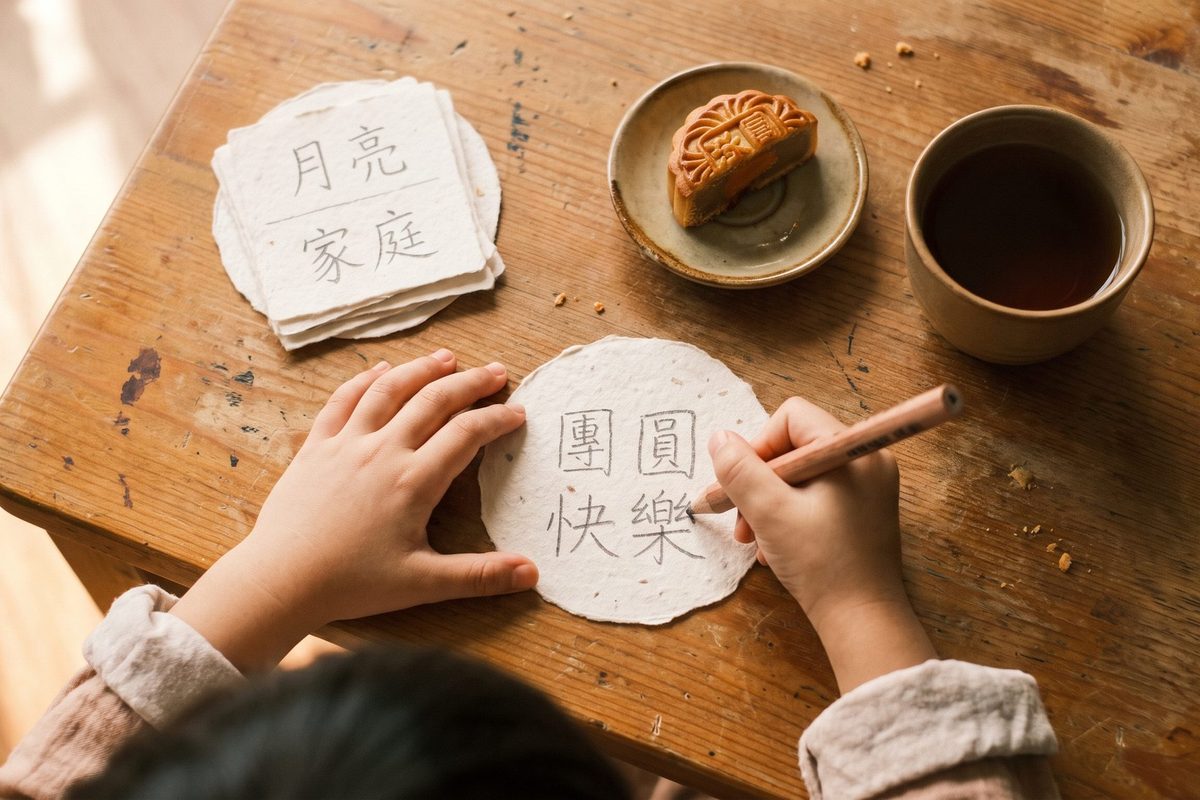
Chinese family vocabulary starts with specific terms for each relationship. The word for "older brother" is 哥哥 (gēge), also written ge ge without tone marks. Our ge ge Chinese pronunciation guide explains its first-plus-neutral tones and shows how to use it in family sentences. For little sister in Chinese — 妹妹 (mèimei) — see our full pronunciation and usage guide. For maternal grandmother in Chinese, the two terms are 外婆 (wàipó) and 姥姥 (lǎolao). For another essential term, 老婆 (lǎo pó, "wife"), see our lao po meaning guide.
If you are wondering what does gege mean in Chinese, our question-and-answer guide explains 哥哥 (gēge, older brother), sibling relationships, and when the affectionate nickname fits. And for the sister side: learn how to say younger sister in Chinese — 妹妹 (mèimei), with tones, variants, and example sentences.
English | Mandarin |
|---|---|
wife | 妻子 (qī zi) |
husband | 丈夫 (zhàng fu) |
mother | 母親 (mǔ qīn) |
father | 父親 (fù qīn) |
daughter | 女兒 (nǚ ér) |
son | 兒子 (ér zi) |
grandfather (dad's father) | 祖父 (zǔ fù) |
grandmother (dad's mother) | 祖母 (zǔ mǔ) |
big brother | 哥哥 (gē ge) |
little brother | 弟弟 (dì di) |
big sister | 姐姐 (jiě jie) |
little sister | 妹妹 (mèi mei) |
Many beginners find it tricky to match these words with their real family members. You might also find making a family tree in Chinese a bit tough at first. If you want to learn faster, practice a few words every day, anytime and anywhere.
Key Takeaways
Learn important family words in Chinese. 家庭 (jiātíng) means family. 家人 (jiārén) means family members. These words help you talk about people you care about.
Practice saying words with the right tones. 媽媽 (māma) and 爸爸 (bàba) sound different if you change the tone. Listen to native speakers to get better at this.
- Use easy sentences to ask about family. You can ask 你的家庭有幾個人?(How many people are in your family?) This helps you start talking with others.
- Make a family tree to see how people are related. This fun project helps you remember family words. It also helps you understand how everyone connects.
Practice a little every day. You can learn at your own speed. Ask a native speaker you know to listen and help you improve.
How to Say Family in Chinese Language
家庭 (jiātíng) and 家人 (jiārén)
When you want to talk about family in Chinese language, you have a few words to choose from. The most common ones are 家庭 (jiātíng) and 家人 (jiārén). You use 家庭 when you mean the whole family unit, like your household. 家人 means your family members, the people in your family.
You might also hear 家裡人 (jiālǐ rén), which means "people at home" or "family members at home." If you want to say "my family," you can use 我家 (wǒ jiā). These words help you talk about your family in chinese language in different ways.
Here’s a table with some useful words you’ll see when learning how to say family in chinese:
Chinese | Pinyin | English |
|---|---|---|
家人 | jiā rén | Family members |
家庭活動 | jiā tíng huó dòng | Family activity |
家庭聚會 | jiā tíng jù huì | Family gathering |
閤家團圓 | hé jiā tuán yuán | Family reunion |
親情 | qīn qíng | Family affection |
You can use these words to talk about family in chinese language at home, at school, or with friends.
Pronunciation Tips
Let’s make sure you say these words the right way. Chinese uses tones, so the way you say each word can change its meaning. Try saying 家庭 (jiātíng) like "jyah-ting," with a rising tone on "ting." 家人 (jiārén) sounds like "jyah-ren," with a rising tone on "ren." Practice saying each word slowly, then try it faster.
If you want to sound more natural, listen to native speakers. You can use online videos or ask a Chinese-speaking friend for help. They can tell you when a tone sounds off. Don’t worry if you make mistakes at first. You’ll get better with practice.
Tip: Record yourself saying each word. Play it back and compare it to a native speaker. This helps you hear the difference and improve your pronunciation.
Usage in Daily Conversation
You can use these words every day. If you want to ask someone about their family in chinese language, you can say:
你的家庭有幾個人?(nǐ de jiātíng yǒu jǐ gè rén?) — How many people are in your family?
我家有五個人。(wǒ jiā yǒu wǔ gè rén.) — My family has five people.
你喜歡和家人一起做什麼?(nǐ xǐhuān hé jiārén yīqǐ zuò shénme?) — What do you like to do with your family members?
You can talk about family activities, gatherings, or reunions. For example, you might say:
我們週末有家庭聚會。(wǒmen zhōumò yǒu jiātíng jùhuì.) — We have a family gathering this weekend.
閤家團圓很重要。(hé jiā tuán yuán hěn zhòngyào.) — Family reunion is important.
If you want to learn how to say family in chinese in real-life situations, start at home. Talk about family photos, greet your relatives, or describe your family to a friend. Use these words in everyday life. This helps you remember them and use them naturally.
Note: The more you use family in chinese language in your daily conversations, the faster you’ll remember the words. Try talking about your family with a friend or a family member.
Family Members in Chinese
Learning how to talk about family members in Chinese helps you connect with people and understand Chinese culture better. You’ll notice that Mandarin has many words for different family members. These words show respect, age, and even which side of the family someone comes from. Let’s break it down so you can start using these terms with confidence.
Immediate Family
Your immediate family includes your closest relatives. Here are the most important words you’ll use:
父親 (fùqīn): father (formal)
爸爸 (bàba): dad (informal)
母親 (mǔqīn): mother (formal)
媽媽 (māma): mom (informal)
哥哥 (gēge): older brother
弟弟 (dìdi): younger brother in Chinese
姐姐 (jiějie): older sister
妹妹 (mèimei): younger sister — mei mei pronunciation and meaning guide
兒子 (érzi): son
女兒 (nǚ’ér): daughter
孩子 (háizi): child
You can use formal words when you want to sound respectful or in official situations. Informal words work best with friends or at home. Practice both with family or friends, so you always know which one to use.
Tip: Try saying these words out loud. Notice how each one sounds a little different. This will help you remember them when you talk about your immediate family.
Extended Family
Chinese has special words for extended family members. These words tell you if someone is from your mom’s side or your dad’s side. Here’s a handy table:
漢字 | Pinyin | English |
|---|---|---|
伯伯 | bóbo | dad's older brother |
叔叔 | shūshu | dad's younger brother |
姑媽 | gūmā | dad's sister |
姑姑 | gūgu | dad's sister (another word for the same aunt) |
舅舅 | jiùjiu | mom's brother |
姨媽 | yímā | mom's sister |
阿姨 | āyí | mom's sister (another word for the same aunt) |
堂兄 | tángxiōng | older male cousin (a son of your dad's brother) |
表姐 | biǎojiě | older female cousin (on your mom's side, or a daughter of your dad's sister) |
You’ll see that Chinese families use different words for each relationship. This shows how much family members matter in Chinese culture. Start with the family members that are most important to you.
In-Laws and Relatives
Talking about in-laws and other relatives can get tricky, but you’ll get the hang of it. Here are some common terms:
Relationship | Chinese Term | Pinyin |
|---|---|---|
Father-in-law (husband's side) | 公公 | gōnggong |
Mother-in-law (husband's side) | 婆婆 | pópo |
Father-in-law (wife's side) | 岳父 | yuèfù |
Mother-in-law (wife's side) | 岳母 | yuèmǔ |
Older sister's husband | 姐夫 | jiěfū |
Younger sister's husband | 妹夫 | mèifū |
Older brother's wife | 嫂子 | sǎozi |
Younger brother's wife | 弟婦 | dìfù |
Chinese families often use different words for in-laws depending on the region. You might hear new words if you travel or meet people from other parts of China. Start with the words that fit your own family members and your daily life.
Note: Chinese family vocabulary reflects family relationships and respect. For a related teaching on consideration for others, read about Confucius and the golden rule in Chinese.
Referring to Family in Chinese Sentences
Everyday Sentences
You want to talk about your family in daily life. You can use simple sentences to share information or ask questions. Here are some common ways for referring to family in chinese:
這是我媽媽。(zhè shì wǒ māma) — This is my mom.
他是我哥哥。(tā shì wǒ gēge) — He is my older brother.
我有兩個孩子。(wǒ yǒu liǎng gè háizi) — I have two children.
You can also describe your family members or share stories. Try these sentence patterns:
我叫___。(wǒ jiào ___) — My name is ___.
我是她的女兒。(wǒ shì tā de nǚ’ér) — I am her daughter.
我們是在家裡認識的。(wǒmen shì zài jiālǐ rènshi de) — We met at home.
Tip: Use words like 家人 (jiārén), 母親 (mǔqīn), and 父親 (fùqīn) in your daily speech. This helps you remember vocabulary and makes referring to family in chinese feel natural.
Asking and Answering About Family
You often want to ask others about their family. Here are some questions and answers you might hear:
Speaker | Mandarin Phrase | English Translation |
|---|---|---|
A | 你有跟家人住嗎 | Do you live with your family? |
B | 有和太太 | Yes, with my wife |
A | 喔跟太太哦 | Oh, with your wife |
You can use these questions to start a conversation:
你結婚了嗎? (Are you married?)
你有孩子嗎? (Do you have children?)
你的父母住在哪裡? (Where do your parents live?)
你的妹妹叫什麼名字? (What’s your little sister’s name?)
When you practice referring to family in chinese, you learn more about culture and relationships. You might make mistakes, like mixing up older and younger siblings or using the wrong word for in-laws. Don’t worry! Act out short scenes with a friend, like introducing your family at dinner. Try real-life exercises and ask a native speaker to check your words.
Activity Type | Description |
|---|---|
Scenario-based exercises | Practice introducing your family or ordering food in Chinese |
Partner practice | Talk with a friend or family member about your family |
Feedback | Ask a native speaker to check your sentences |
Note: Talking about family is a big part of Chinese culture. You build confidence by using these words in real conversations.
Tips for Practicing Family Vocabulary
Family Tree Activities
Do you want a fun way to learn Chinese family words? Try making your own family tree. You can draw it on paper or use cards. Some websites give you free cards with family names. Sort and match each card to the right spot on your tree. This shows how everyone is connected. It helps you remember the words better. You can color the cards or add pictures for each person. Using pictures and memory tricks makes learning easier. If you get stuck, picture the family in your mind. You can also use the Memory Palace method to organize words.
Tip: Say each family member’s name out loud while you build your tree. This helps you remember how the words sound and what they mean.
Flashcards and Quizzes
Flashcards are a great way to learn Chinese family words. You can use apps or make your own cards. Many websites have lots of audio flashcards. These help you learn by repeating and hearing feedback. Flashcards link words to pictures, which helps you remember. Quizzes make learning more fun. You can try dictation quizzes, sentence scrambles, or speaking tests. Here are some quiz types:
Quiz Type | What You Practice |
|---|---|
Dictation Quiz | Listening and writing |
Sentence Scramble | Grammar and word order |
Speaking Test | Pronunciation and fluency |
Word Search | Recognizing characters |
Games and quizzes keep you interested and help you learn. You can see your progress and feel proud of small wins.
Learning Family Words with a Child
If you are helping a child aged 5 to 12 learn, Coachers.org teaches Chinese through Taiwan stories, and Family is one of its themes. Each unit starts with a story, like a picture book or a family memory. Then the child learns the words and sentence frames to talk about it. The unit links the story back to Taiwan and to the child’s own life. At the end, the child makes something to give to family, like a card or a page. The videos, worksheets, and vocabulary and sentence cards are made for families anywhere.
Note: Practicing often and getting help from a native speaker helps you learn family words faster. You can learn at your own speed, wherever you are.
Learning family words in Chinese helps you introduce your loved ones, join in friendly chats, and build real connections.
You talk about family all the time in daily life.
These words help you make friends and share stories.
Practice a few family words each day, and use them with the people you love. You learn at your own pace, wherever you are.
Ready to start? Say one family word out loud today!
FAQ
How do I remember Chinese family words faster?
Try using flashcards, drawing a family tree, or saying the words out loud every day. Practice with friends or a native speaker you know. The more you use the words, the easier they stick!
What if I mix up family terms in conversation?
Don’t worry! Mistakes help you learn. If you use the wrong word, just try again. Your friends and family will understand and help you. You’ll get better with practice.
Where can I practice speaking with real people?
Talk with family, friends, or a native speaker you know. Ask them about their families and share yours. Ask for tips to improve your speaking skills.
Do I need to know Chinese characters to start?
No, you don’t. You can begin with pinyin and simple words. As you get comfortable, you can learn the characters. Go at your own pace.
What is a good way to practice family words with a child?
Use stories and real family members. Read a picture book together, then name the people in your own family. For ready-made materials, Coachers.org has theme-based videos, worksheets and word cards for children aged 5 to 12.