Chinese, explained
How to Say Thank You in Mandarin Chinese
Are you interested in learning the mandarin translation thank you? In Mandarin, the word for thank you is 謝謝, pronounced “xièxiè.” This phrase is commonly used in Mandarin-speaking regions to express gratitude, show respect, and foster friendliness.
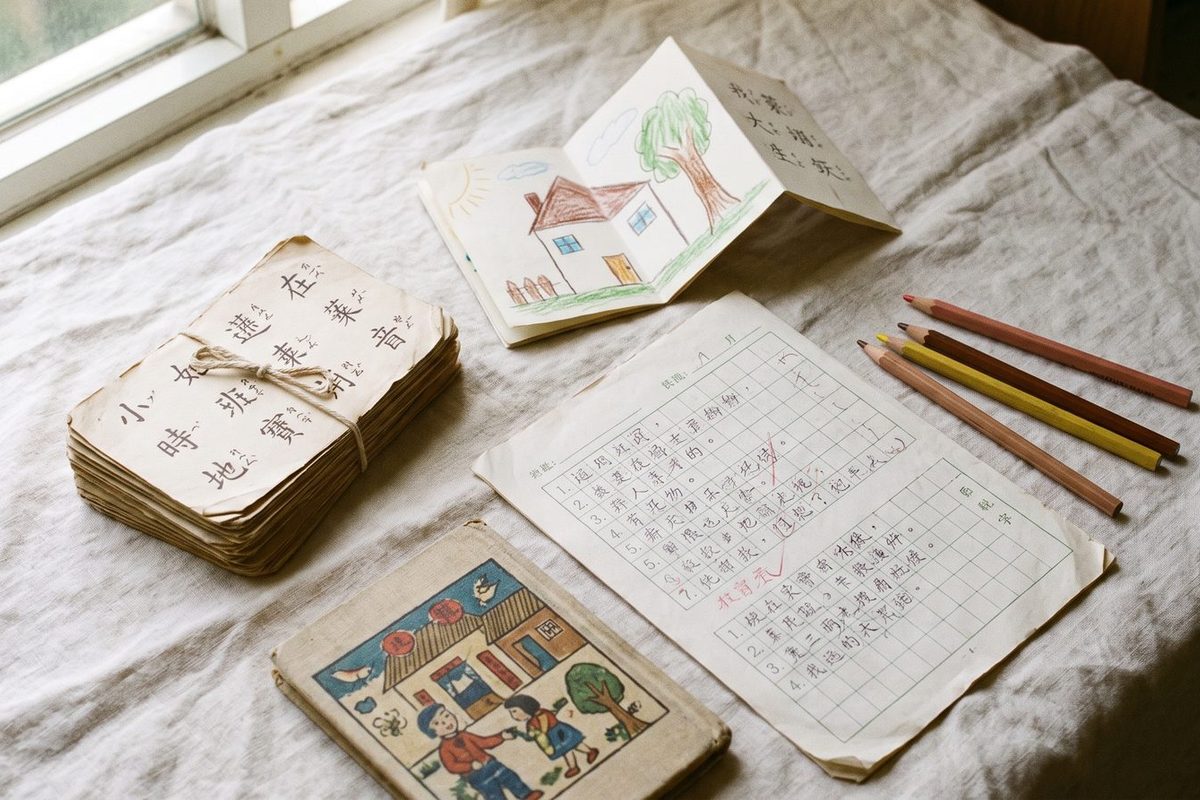
Visiting mainland China? See thank you in China — simplified characters, mainland phrases, and what people say back.
The Mandarin translation of "thank you" is 謝謝 (xièxie). You may see it romanized as xiexie in Mandarin — a single word without tone marks that represents the same phrase. This guide covers pronunciation, usage, and context.
Key Takeaways
The way to say 'thank you' in Mandarin is 謝謝 (xièxiè). You can use it when talking to friends or in serious situations to show you are thankful.
- If you want to be extra polite, say 謝謝您 (xièxiè nín) to older people or in formal times.
To get better at saying the words, listen to people who speak Mandarin and try to copy how they say it. This will help you learn faster.
Mandarin Translation: Thank You
Standard Phrase: 謝謝 (xièxiè)
When you want to say "thank you" in Mandarin, you use the phrase 謝謝. You pronounce it as "xie xie." This is the most common way to express gratitude in Mandarin-speaking places. You can use 謝謝 with anyone, whether you are talking to a friend, a teacher, or someone you just met. People use this phrase in almost every situation, from the classroom to the workplace.
You might wonder if 謝謝 works for both formal and informal moments. The answer is yes! If you receive help at work, you can say 謝謝. If a friend gives you a snack, you can also say 謝謝. This makes the mandarin translation thank you very easy to remember and use.
Tip: If you want to sound extra polite, you can say 謝謝您 (xièxiè nín), which uses the formal "you." This is great for teachers, elders, or anyone you want to show respect to.
Pronunciation Tips
Getting the pronunciation right can feel tricky at first. The word "xie" in xie xie uses a sound that does not exist in English. Try to make the "x" sound by smiling and letting the air flow over your tongue, almost like saying "shee-eh." The first "xiè" uses a falling tone, which means your voice starts high and drops down. The second "xie" is light and quick, almost like you are just repeating the sound softly.
Here are some common challenges English speakers face:
The "x" sound in "xie" is new for many learners.
The first syllable "xiè" uses a falling tone (fourth tone), while the second "xie" is neutral.
English does not use tones, so it can be hard to remember to change your pitch.
If you want to master the mandarin translation thank you, practice saying xie xie out loud. Listen to native speakers and try to copy their tone and rhythm. Record yourself and compare your voice to theirs. Ask a native speaker you know whether you sound natural.
Other Ways to Say Thanks
Mandarin has many ways to say thank you, depending on the situation. Sometimes you want to sound more formal, or maybe you want to thank a group. Here is a table with some useful phrases:
Mandarin Phrase | Pinyin | English Translation |
|---|---|---|
多謝 | duōxiè | thanks a lot |
感謝 | gǎnxiè | many thanks |
非常感謝你 | fēicháng gǎnxiè nǐ | thank you very much |
謝謝大家 | xièxiè dàjiā | thank you everyone |
謝謝你 | xièxiè nǐ | thank you (emphasizing 'you') |
謝謝您 | xièxiè nín | thank you (formal) |
謝了 | xiè le | thanks (casual) |
謝謝你的幫忙 | xièxiè nǐ de bāngmáng | thank you for your help |
太麻煩你了 | tài máfan nǐ le | I’ve caused you too much trouble |
真不好意思 | zhēn bù hǎoyìsi | I’m so embarrassed |
You might see gǎnxiè in more formal or written situations, like in a letter or an email. People use 多謝 in casual conversations, especially in text messages or quick notes. If you want to thank a group, you can say 謝謝大家. When you want to show deep gratitude, 非常感謝你 or gǎnxiè works well.
Here is a quick guide to when you might use each phrase:
Expression | Usage Context | Frequency/Notes |
|---|---|---|
謝謝 (xie xie) | Everyday, with anyone | Most common and versatile |
感謝 (gǎnxiè) | More formal, polite, or written situations | Less frequent, more formal |
多謝 (duōxiè) | Casual spoken conversations | Used in texts, notes, or at work |
You can use the mandarin translation thank you in many places. In the workplace, people say 謝謝 for daily help, but they might use gǎnxiè for bigger favors. With friends, you can use casual phrases like 謝了. At restaurants, saying 謝謝 after getting your food is polite. In public, showing gratitude is important, but always think about the situation so you do not make anyone feel awkward.
If you want to practice these phrases and learn when to use each one, try them in real-life situations, like thanking a shopkeeper or a friend who helps you. The more you use them, the more confident you feel using the mandarin translation thank you wherever you go.
Using 'Thank You' in Daily Life
Everyday Situations
You say 謝謝 or xie xie many times each day. If someone opens a door for you, you can say xie xie and smile. When a friend lets you use their notes, you say 謝謝. You might also thank a cashier after you pay. Saying thank you in different moments helps you make friends. People like it when you remember to say 謝謝, even for small things.
Business and Formal Contexts
At work, it is important to show thanks in formal ways. You can say xie xie after a meeting or when someone helps you with work. For emails or talks, you use 感謝 or 非常感謝 to sound more polite. Thanking people at work shows you respect them and helps you get along. If you want to do well in business, showing thanks in formal ways matters a lot.
Non-Verbal Gratitude
You can show thanks without speaking, too. In Chinese culture, people use some gestures:
Put one palm over your other fist and bow a little.
Smile and nod to show you are thankful.
These actions are good when you want to show thanks but cannot talk.
Thank You Notes
Writing thank you notes is a common way to show thanks in formal times. Here are some main rules:
Key Etiquette Rules for Writing Thank You Notes in Mandarin | Description |
|---|---|
Importance of Written Appreciation | Thank you notes are often used in Chinese culture, especially for big events like weddings or business meetings. |
Structure of a Thank You Note | You start by saying who you are writing to, then say thank you, tell about the gift or help, and end with good wishes. |
Tips for Effective Expression of Gratitude | Be honest; say what you are thankful for and how the gift or help made you feel. |
When someone says 謝謝 to you, you often hear 不客氣, which means "you're welcome." Other replies are 沒關係 ("no problem") and 辛苦了 ("thanks for your hard work"). Practice xie xie, 謝謝, and these replies in real talks with friends or a native speaker you know. A few minutes a day fits any schedule.
Helping a Child Learn to Say Thank You
Thank You Through Stories
If you are helping a child learn, Coachers.org teaches Chinese through Taiwan stories to heritage and bilingual children aged 5 to 12. Each unit starts with a story. Then come the Chinese words and sentence frames. Next is the thread back to Taiwan and the child's own life. Last, the child makes something, like a card, to hand to family. Words like xie xie stick when a child uses them for someone they love.
Flexible Online Access
Coachers.org's courses are online, so families anywhere can use them. Each theme, such as Family or Food, has videos, worksheets, and vocabulary and sentence cards. Children start at the level that fits where they are: Bridge, Connect, or Express.
Tip: Pair a new word with a small task, like writing a thank you card for a grandparent. Learning fits right into your life.
Knowing how to say 'thank you' in Mandarin helps you connect with others and shows respect, which is key in Chinese culture. Keep using it in real moments, and the words will start to feel natural—no matter where you live.
Ready to use your Mandarin? Say xie xie to someone today! 🚀
FAQ
How do you reply when someone says "謝謝" (xièxiè) to you?
You can say "不客氣" (bú kèqi), which means "you're welcome." People also use "沒關係" (méi guānxi) or just smile and nod.
Tip: Smiling shows you appreciate their thanks!
Can you use "謝謝" in formal business emails?
Yes, you can use "謝謝" in emails. For extra politeness, try "感謝" (gǎnxiè) or "非常感謝" (fēicháng gǎnxiè).
Phrase | Use in Email? |
|---|---|
謝謝 | Yes |
感謝 | Yes |
非常感謝 | Yes |
Which Coachers level is for beginners?
For children aged 5 to 12 who are beginning or reconnecting with Chinese, the Coachers Bridge level is the starting point, with online videos, worksheets and word cards. A parent can use the contact page to ask which level fits their child.