Chinese, explained
How to Say Vegan in Mandarin: Your Essential Guide
The easiest way to say "vegan in Mandarin Chinese" is '純素' (chúnsù), which translates to "pure vegetarian." This term encompasses both dietary choices and lifestyle. Another common term is '全素' (quánsù), meaning "all vegetarian," which specifically refers to a vegan diet. If someone identifies as vegan, you can use '純素者' (chúnsùzhě) or '全素者' (quánsùzhě). With the global rise in plant-based eating, the vegan food market is experiencing significant growth. In 2023, this market was valued at 18.20 billion US dollars.
Key Takeaways
- Use '純素' (chúnsù) to say "vegan" in Mandarin. This word means "pure vegetarian" and covers both diet and lifestyle.
Use '全素' (quánsù) to talk about a vegan diet. This word means "all vegetarian" and focuses on food choices.
'素食' (sùshí) means "vegetarian food." It is a general term and may include eggs or dairy, so it is not always vegan.
Add '者' (zhě) after 'chúnsù' or 'quánsù' to describe a vegan person. For example, 'chúnsùzhě' means "a vegan person."
When ordering food, say '我吃全素' (Wǒ chī quánsù) to mean "I eat a vegan diet." You can also ask, '請問有純素的菜嗎?' (Qǐngwèn yǒu chúnsù de cài ma?) to ask for vegan dishes.
Learning Vegan Words in Mandarin
It is important to learn the right words. These words are for veganism in Mandarin. Different words mean different things. They can talk about food. They can talk about how someone lives. Or they can talk about being vegetarian. Knowing these helps you speak clearly.
純素 (chúnsù): The Main Vegan Word
The word '純素' (chúnsù) is a direct way. It means "vegan in Mandarin". It means 'pure vegetarian'. This word covers two things. It means eating only plants. It also means living without animal products. Many people use 'chúnsù'. They use it to talk about full veganism.
But 'chúnsù' can be tricky. Mandarin speakers might not get it. It is one type of meatless diet. Not all of these diets are like Western veganism. For example, 'chúnsù' might mean no onions or garlic. This is for some religious vegetarians. Western vegan diets usually allow these. This can cause confusion. Some foods are called '五辛素' (wǔxīn sù). This means 'allium veg*n'. They might have eggs or milk. This shows that 'vegetarian' diets vary a lot. The word 'chúnsù' also has religious ties. It can mean avoiding 'earthly pleasures'. This religious idea makes it hard. It is hard to explain a plant-based diet. This is without spiritual ideas. Other words exist. '蔬食' (shūshí) and '植物基' (zhíwù jī) mean 'plant-based'. This shows a gap in understanding 'chúnsù'.
Example Sentence: 我是純素者,不穿皮草。(Wǒ shì chúnsùzhě, bù chuān pícǎo. - I am vegan, I don't wear fur.)
Example Sentence: 這家店提供純素餐點。(Zhè jiā diàn tígōng chúnsù cāndiǎn. - This restaurant offers vegan meals.)
全素 (quánsù): Eating Vegan
'全素' (quánsù) means 'all vegetarian'. It also means 'entirely vegetarian'. This word mostly talks about a vegan diet. It focuses on food choices. It means no meat, eggs, dairy, or honey. People often use 'quánsù'. They use it when talking about diet. This is without religious meanings.
In Chinese culture, 'quánsù' and 'chúnsù' both mean 'vegan'. They also mean 'pure vegetarian'. But 'quánsù' is a more general word. It is for veganism. 'chúnsù' can have special religious meanings. Like not eating alliums. These are five strong-smelling vegetables. Buddhists often avoid them. So, 'quánsù' is better. It is for general vegan diets. It does not have these religious ideas.
Example Sentence: 這家餐廳的菜色很豐富,有葷有素,也有全素的選擇。(Zhè jiā cāntīng de càisè hěn fēngfù, yǒu hūn yǒu sù, yě yǒu quán sù de xuǎnzé. - This restaurant has many foods. It has meat, vegetarian, and also vegan choices.)
Example Sentence: 他是個全素者,不吃任何動物性食品。(Tā shì ge quánsùzhě, bù chī rènhé dòngwù xìng shí pǐn. - He is a vegan. He does not eat any animal products.)
Example Sentence: 為了健康,她決定從下個月開始吃全素。(Wèile jiànkāng, tā juédìng cóng xià ge yuè kāishǐ chī quánsù. - For health, she decided to eat a vegan diet next month.)
素食 (sùshí): Just Vegetarian
'素食' (sùshí) is the most common word. It means 'vegetarian food'. It also means 'vegetarianism'. Its roots are in Buddhism and Taoism. These religions have long promoted meatless diets. This includes religious fasting. For thousands of years, people in East Asia avoided meat. This often links to 'mercy for animals'. Or 'respect for life'.
But 'sùshí' does not always mean vegan. It is a general word. Many 'sùshí' dishes can have eggs. They can have dairy or honey. For example, '西紅柿炒雞蛋' (xī hóng shì chǎo jī dàn). This is scrambled eggs and tomatoes. It is a common vegetarian dish. It has eggs. This makes it not vegan. So, if you want a plant-based meal, 'sùshí' is not enough. You need to be more specific.
Example Sentence: I like to eat vegetarian food.
Example Sentence: This vegetarian restaurant has many choices.
Describing a Vegan Person: zhě Words
To talk about a person. This person follows a diet or lifestyle. You can add '者' (zhě) after the word. 'zhě' means 'person' or 'one who'.
純素者 (chúnsùzhě): This means 'a vegan person'. It talks about someone. This person follows a full vegan lifestyle.
全素者 (quánsùzhě): This means 'a person who eats a vegan diet'. It focuses on their food choices.
Using these words correctly helps you. It helps you tell people what you need. It also shows respect for local ways.
Example Sentence: 他是一位嚴格的純素者。(Tā shì yī wèi yángé de chúnsùzhě. - He is a strict vegan.)
Example Sentence: 我是全素者,所以不能吃這個。(Wǒ shì quánsùzhě, suǒyǐ bù néng chī zhège. - I am a dietary vegan. So I cannot eat this.)
Practical Vegan Mandarin Usage
Learning key phrases helps you communicate your needs. This is especially true when you are in a new country. Knowing how to talk about your diet is very important. This section gives you useful Mandarin phrases. You can use them in different situations.
Ordering Vegan Food
When you eat out, you need to tell the staff about your diet. Here are some phrases to help you order food.
我是純素者 (Wǒ shì chúnsùzhě): Wǒ shì means "I am" — here it forms "I am vegan." Use this to explain your full lifestyle choice.
我吃全素 (Wǒ chī quánsù): This means "I eat a vegan diet." This phrase focuses on your food choices.
It is good to ask about dishes. You can ask if they have vegan choices.
請問有純素的菜嗎? (Qǐngwèn yǒu chúnsù de cài ma?): This asks, "Do you have any vegan dishes?" This is a polite way to inquire.
Sometimes, you need to check if a dish is vegetarian. A simple question is:
這個是素的嗎? (Zhè ge shì sù de ma?): This means "Is this vegetarian?" This helps you start the conversation.
You might need to be very clear about what you do not eat. This is important for veganism. You can list the items you avoid.
不要肉、蛋、奶、蜂蜜 (Bùyào ròu, dàn, nǎi, fēngmì): This means "No meat, eggs, dairy, honey." This covers the main animal products.
To be more specific, you can say:
不吃雞蛋 (Bù chī jīdàn): No eggs.
不吃魚 (Bù chī yú): No fish.
You can also ask if a dish is made only with vegetables: 這菜是純素的嗎? (Zhè cài shì chúnsù de ma?)
Remember, the term '純素' (chúnsù) means 'only vegetables' in this context. It is a good word to use for vegan food. When looking for vegan options in China, being direct helps.
Explaining Vegan Lifestyle
Explaining your vegan lifestyle goes beyond food. It includes other choices you make. You might need to talk about clothing or other products.
我過純素的生活 (Wǒ guò chúnsù de shēnghuó): This means "I live a vegan lifestyle." This tells people you follow veganism in all parts of your life.
When you explain your lifestyle, be aware of cultural differences. In China, dietary choices often link to Traditional Chinese Medicine (TCM). TCM focuses on balancing "yin" and "yang." It also considers the five elements. Some people avoid certain foods for health or spiritual reasons. For example, some avoid meat on Buddhist holidays.
It is important to clearly state your restrictions. This helps avoid misunderstandings. This is especially true in group dining. You can say you avoid animal products in clothing. For example, you can say:
我不穿皮草 (Wǒ bù chuān pícǎo): I do not wear fur.
我不買動物製品 (Wǒ bù mǎi dòngwù zhìpǐn): I do not buy animal products.
Being polite and clear helps people understand your choices. This makes your experience smoother.
Keep Learning Mandarin for Your Vegan Journey
Learning Mandarin helps you. You can talk about being vegan. Start with a few useful Mandarin words. This includes words for talking about veganism.
Practical Mandarin for Vegan Life
Learn a few vegan words first. Say them out loud often. Practice with a native speaker you know. Ask how they say each word. Listen to their tones. Write the words on small cards. Keep the cards in your bag. Use the words when you order food. Small steps help you learn quickly.
Learning Mandarin from Anywhere
You can learn Mandarin online. You learn at your own speed. You can learn from any place. Listen to how people say vegan words. Repeat them out loud. Record your voice and compare it. Keep a list of new words. Look at it each week. This keeps you wanting to learn.
Using Mandarin in Real Life
Think about your goals. You can learn for trips. Or you can learn for work. Practice the words you will really use. Try them when you order at a restaurant. Ask a native speaker to listen. Fix small mistakes early. This stops bad habits. You will talk about being vegan. You will feel sure of yourself.
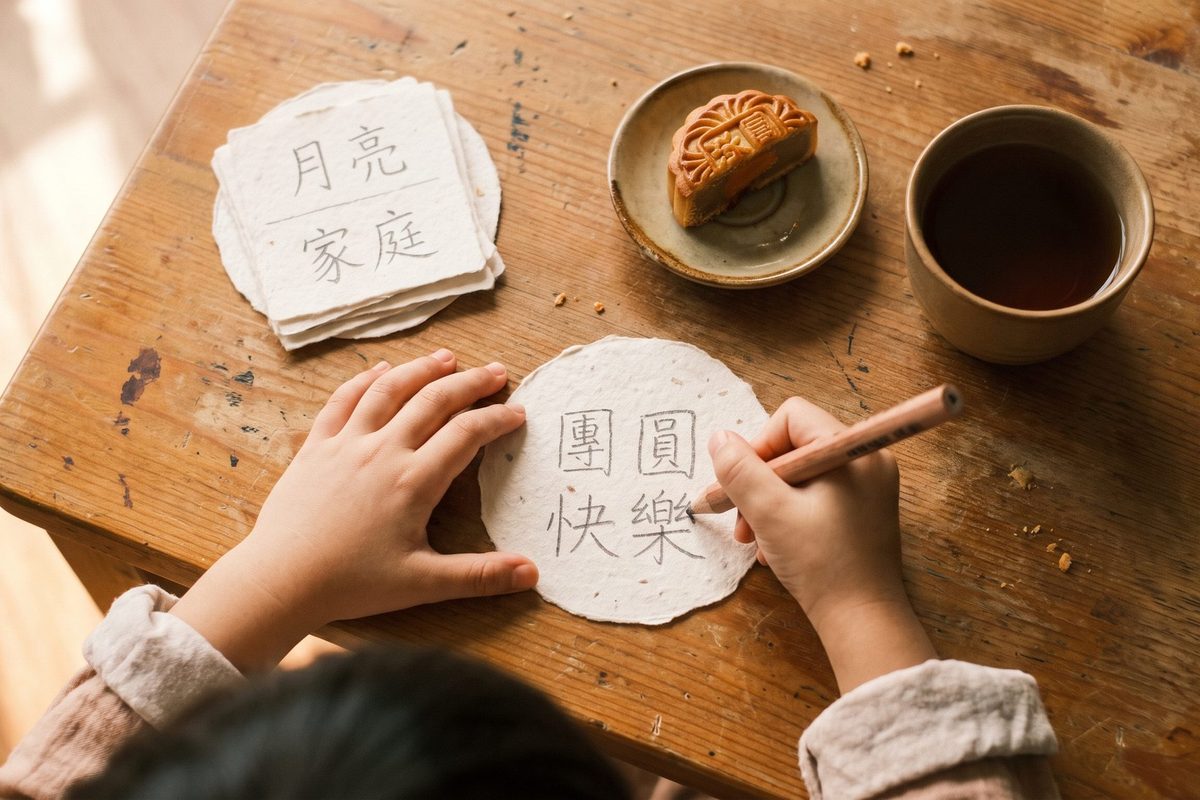
This guide taught you important words. 'chúnsù' means being fully vegan. 'quánsù' means eating a vegan diet. Remember these are different from 'sùshí'. That just means vegetarian. These words help you speak clearly. Learning to say vegan in Mandarin helps you travel. It helps you learn about new cultures. If you are helping a child learn, Coachers.org teaches Chinese through Taiwan stories to children aged 5 to 12. Its online courses use videos, worksheets and word cards, including a Food theme.
FAQ
❓ What is the most direct way to say "vegan" in Mandarin?
The most direct way is '純素' (chúnsù). This term means 'pure vegetarian'. It covers both diet and lifestyle. Many people use it for full veganism.
❓ Is 'quánsù' the same as 'chúnsù'?
'全素' (quánsù) means 'all vegetarian'. It mainly refers to a vegan diet. 'chúnsù' can also mean a vegan lifestyle. 'chúnsù' sometimes has religious meanings. These meanings are not always present with 'quánsù'.
❓ Can I just say 'sùshí' to mean vegan?
No, '素食' (sùshí) means 'vegetarian food'. It is a general term. Vegetarian dishes often include eggs or dairy. This is not vegan. You need to be more specific.
❓ What should I say to a waiter to order vegan food?
You can say, '我吃全素' (Wǒ chī quánsù). This means, 'I eat a vegan diet'. You can also say, '請問有純素的菜嗎?' (Qǐngwèn yǒu chúnsù de cài ma?). This asks, 'Do you have any vegan dishes?'
❓ How do I explain I live a vegan lifestyle?
You can say, '我過純素的生活' (Wǒ guò chúnsù de shēnghuó). This means, 'I live a vegan lifestyle'. This tells people you follow veganism in all parts of your life.